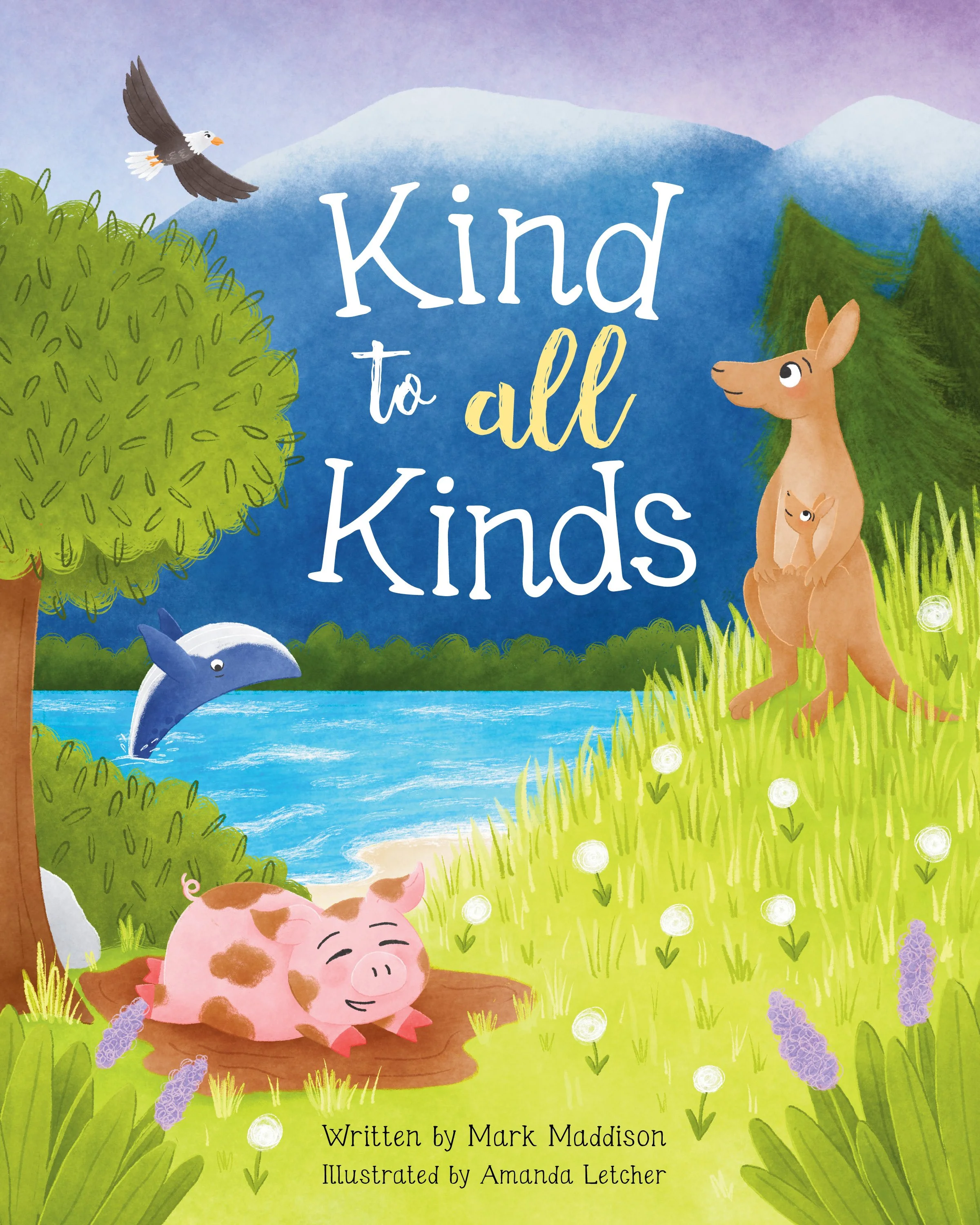
Interview with Mark Maddison - Author and Occupational Therapist
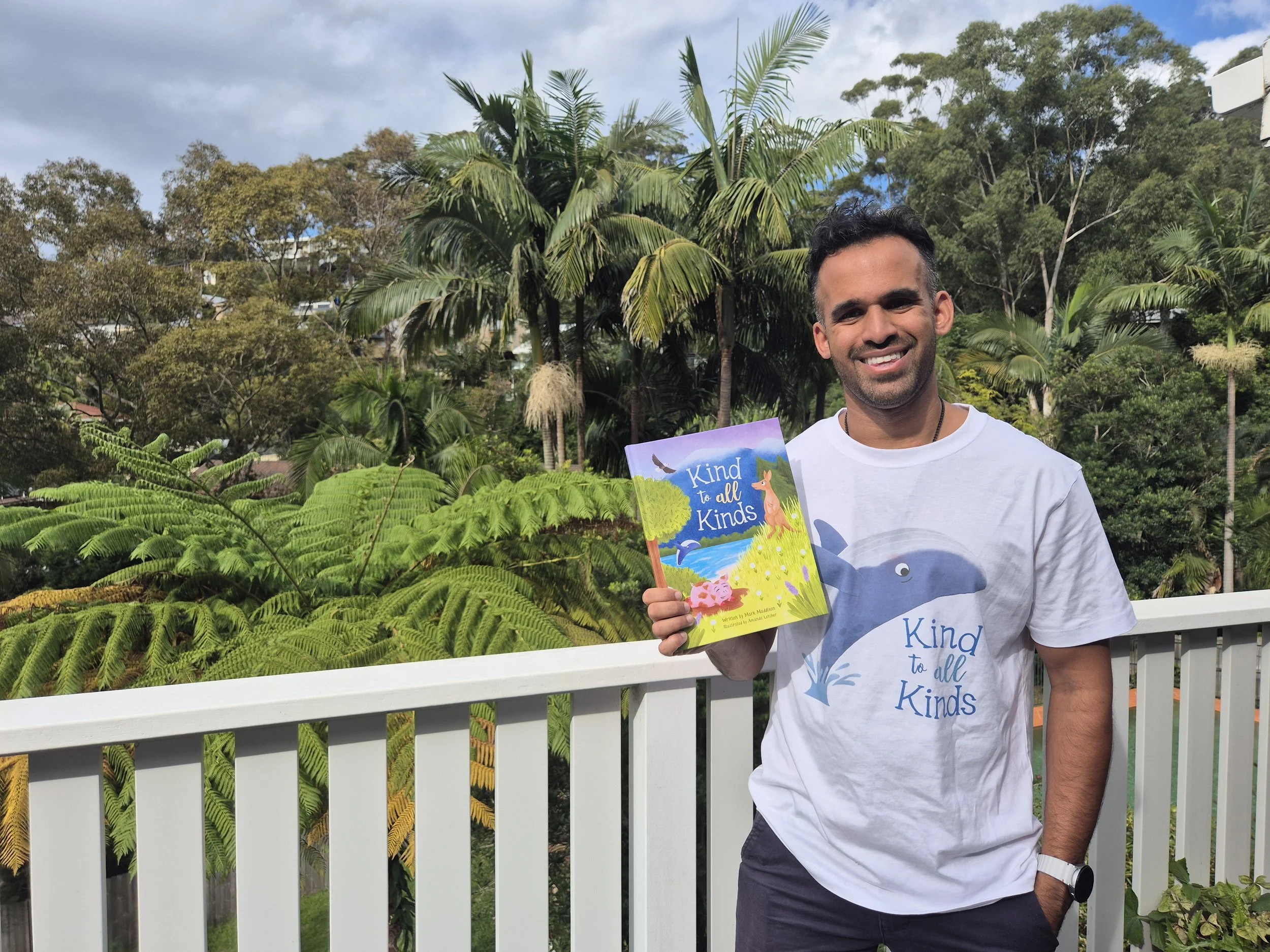
Mark Maddison, author of Kind to all Kinds.
1. What prompted you to write your book Kind to All Kinds?
As my wife and I started thinking about becoming parents, one of the questions I kept coming back to was how I would introduce our vegan lifestyle in a way that felt meaningful and age-appropriate.
In my work as a paediatric occupational therapist, I often use stories to introduce concepts, prompt questions, and support children’s understanding, so I naturally began looking for books that aligned with that. While I came across many beautiful stories, I couldn’t find something that brought together what I was looking for.
I wanted a book that focused on helping children identify feelings, included a range of animals, from pets to wildlife to farm animals, and allowed children to arrive at their own understanding rather than them feeling like they were being told how to think.
Kind to All Kinds came from that gap. I wanted my daughter to understand that the way we live is a choice we make, grounded in empathy for all beings.
2. What has been the response to your book so far from kids and adults?
The response has been very positive and encouraging from both children and adults, vegans and non-vegans alike.
Many vegan families have appreciated that the message isn’t confronting for young children or doesn’t contain heavy messaging, while still allowing them to share their values in a gentle way. At the same time, non-vegan families have connected with the illustrations and the broader message of kindness, with some not even realising it’s intended as a vegan book.
One of the most interesting parts has been hearing what stands out to different people. Some connect more with the emotions, others with particular animals, and others with the illustrations or colours. It’s been encouraging to see how different elements resonate in different ways.
3. Where can we buy a copy of your book and what formats is it available in?
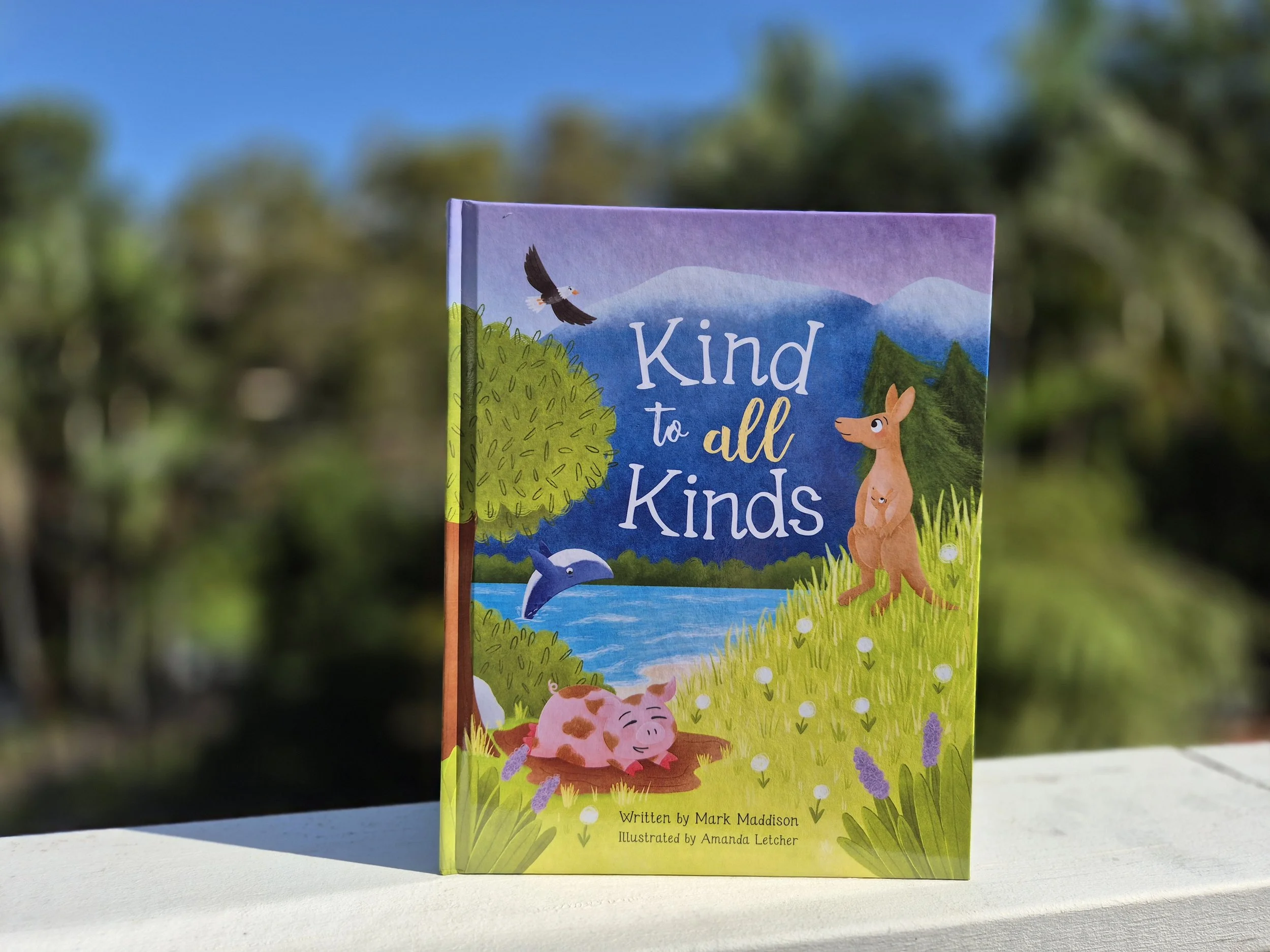
At the moment, Amazon is the easiest way to purchase the book and receive it quickly.
It’s also starting to become available in selected locations, including Edgar's Mission Animal Sanctuary, and we’re continuing to connect with smaller independent bookstores.
Alternatively, copies can be ordered directly by messaging me through my Instagram page (@plantbasedparenting.ot). For those on the Central Coast, NSW, I’m able to offer local delivery as well.
4. What is your message to kids about animals and feelings?
The main message is that all animals have feelings, just like we do. When children begin to recognise this, they start to see animals as living beings, not objects or just food. That shift matters, because it becomes much harder to overlook harm when we can see the life behind it. And from there, more thoughtful and kind choices can follow.
5. What is the impact you are aiming to have with this book?
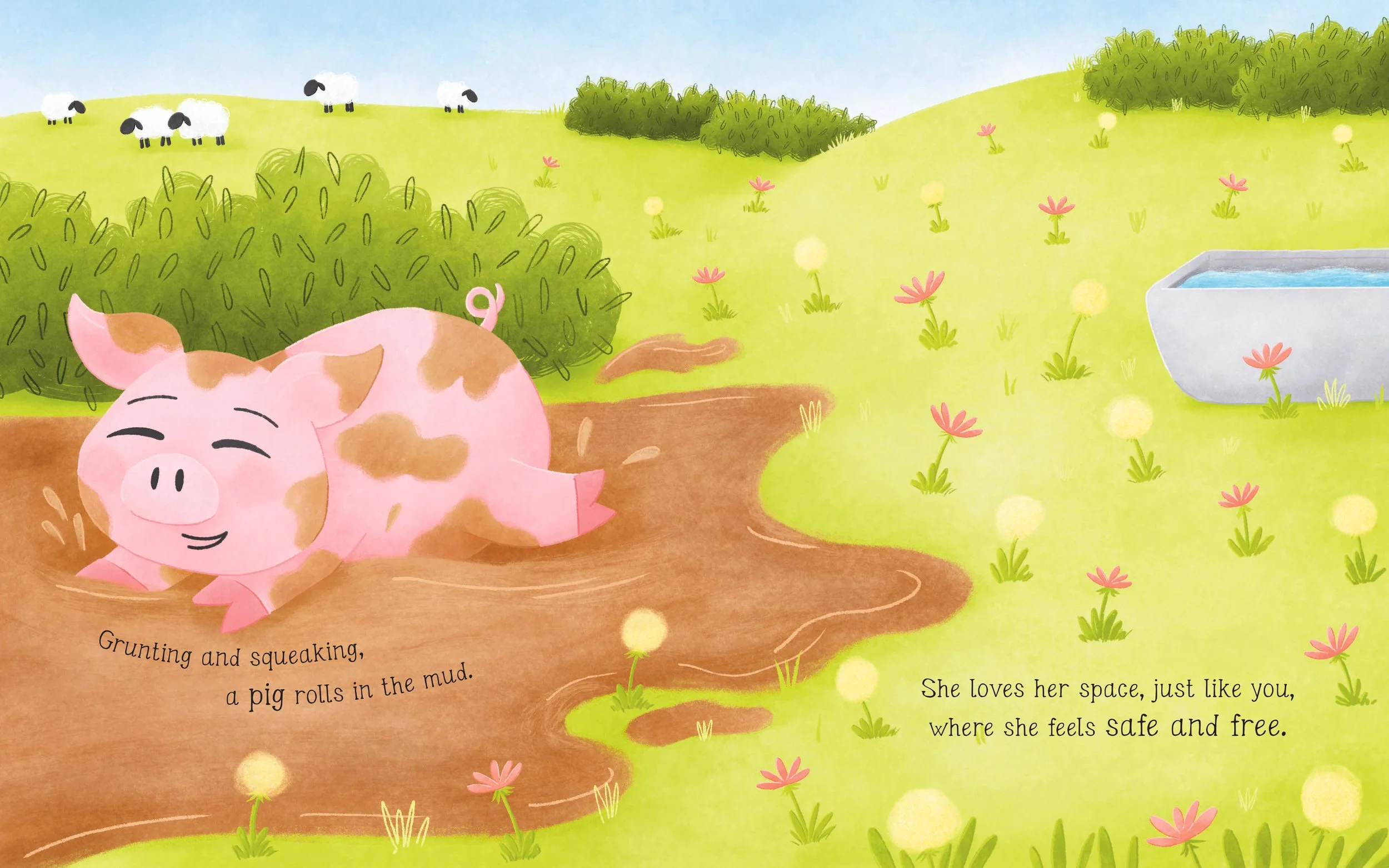
The impact I’m aiming for is to create those small, everyday shifts in how children interact with animals. When a child recognises that an animal might feel scared, safe, or sad, you begin to see meaningful changes. They pause before stepping on a lizard, give a bird space, and choose to watch rather than interfere. Over time, those moments can grow into bigger reflections, including questions about how animals are treated more broadly, including what we have on our plate.
I intentionally wrote the book so it can be read by any family, regardless of lifestyle or dietary preference, because real change starts with awareness. When children understand rather than being told what to do, more thoughtful choices tend to follow.
6. Do you have plans for more books? If so, please tell us whatever you can reveal.
Yes, I do have plans for more books. As my daughter grows, I’d like each book to reflect the kinds of questions and thinking that naturally emerge at different stages, including how children come to understand and engage with the vegan lifestyle in a way that feels thoughtful and self-driven.
I’m particularly interested in how children learn to interpret the same situation in different ways, and how those interpretations shape their responses and, over time, their personality. For example, a child’s response to making a mistake can either support motivation or contribute to frustration. In the context of veganism, this shows up in how children make sense of everyday choices — like noticing where food comes from or how animals are treated — and whether they feel curious, empathetic, or defensive about those ideas. Over time, this supports the development of critical thinking, as children begin to question, reflect, and consider different perspectives. From my experience, that’s a key part of what builds a resilient and confident child — not just what they experience, but how they make sense of it.
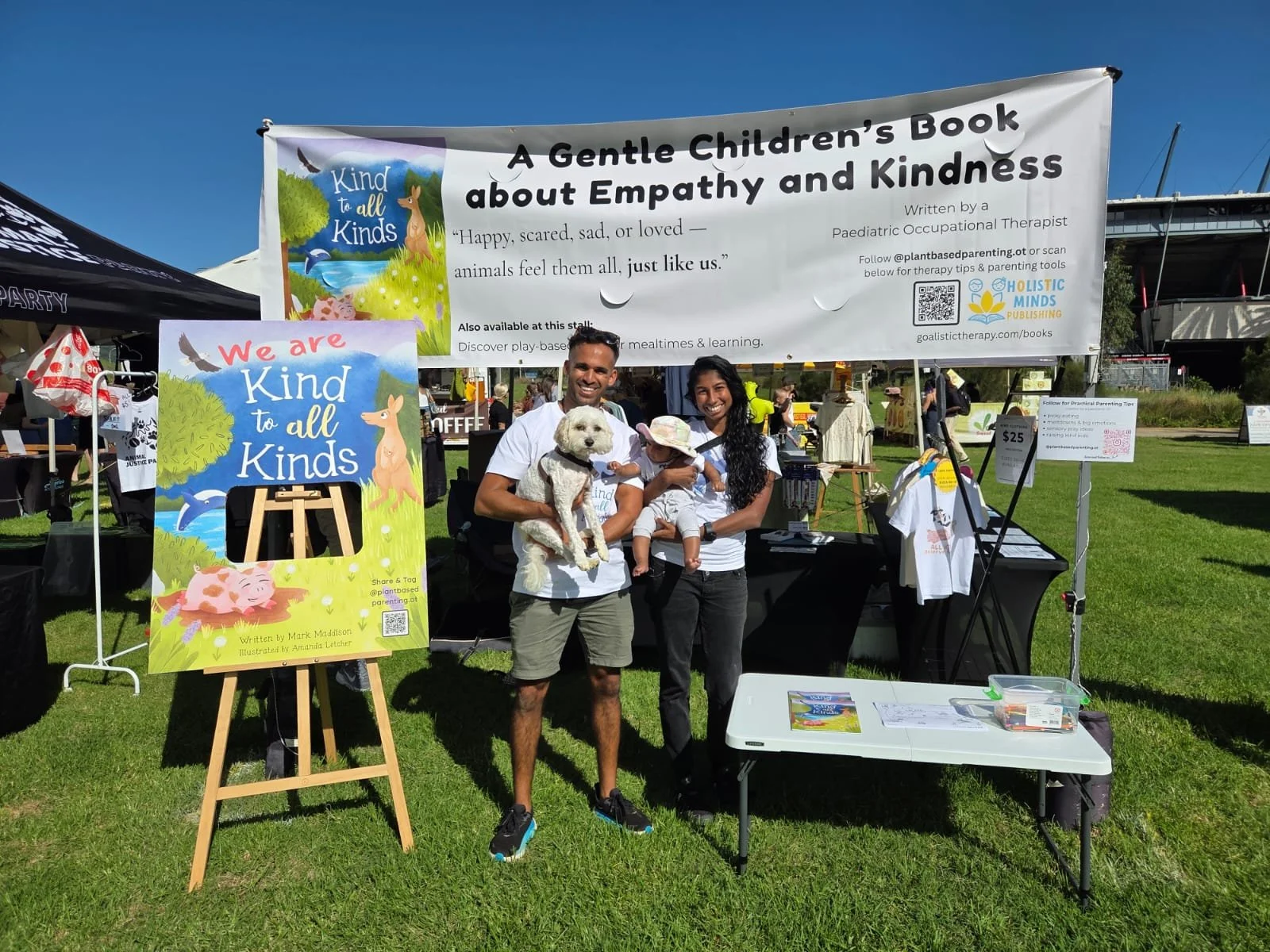
7. How long have you been vegan and what prompted you to go vegan?
I’ve been vegan for three years. Before that, I was predominantly plant-based for another three, mostly eating that way at home but being more flexible in social situations.
I initially made the shift for health reasons. I had high cholesterol which was unexpected given I’ve always been quite active, though it was largely influenced by a family history of cardiovascular conditions including a grandfather who had a heart attack at a similar age. My doctor recommended medication, and while I understand medication has its place, I wanted to see what I could improve through lifestyle changes first.
Moving to a plant-based diet had a significant impact, and my cholesterol dropped back into a normal range quite quickly. At that point, I wasn’t thinking about veganism in the way I do now. I used to see it as unnecessary, not ideal for health and fitness, and even extreme. But as I learned more, my perspective began to shift. I started to recognise animals as living beings with their own experiences, and questioned why I saw some animals so differently from others, like my own dog. At the same time, I came to understand that a vegan diet wouldn’t just be adequate or limiting, but could support and even improve my energy, strength, and overall fitness.
What started as a health decision became something broader, encompassing not just personal health, but also the impact on animals, the environment, and alignment with my own values. Becoming fully vegan was about making that alignment consistent.
8. What’s the best thing about being vegan?
I think the best thing about being vegan is that it’s a simple choice with exponential impact. It’s something you do every day that supports your health, reduces harm to animals, and lowers your environmental impact, all at the same time.
Beyond that, it also shapes how you think and act. It builds a level of awareness and consistency with your values, and it becomes a practical way of modelling empathy and kindness, particularly for my daughter.
9. Anything else you would like to add?
I think something worth adding is how much the early years shape the way children see the world, and how much they learn from what they see, rather than what they’re told. The small moments, the stories we read, the way we talk about others, and what we choose to notice all build a child’s understanding over time.
Kind to All Kinds is really about being intentional with those early experiences. If children grow up recognising that animals have feelings and that their choices matter, that understanding doesn’t stay limited to animals - it carries into how they treat others. Not just their friends or those they like, but showing kindness more broadly, even when it isn’t returned or expected.
It’s those small, consistent messages early on that tend to have the biggest long-term impact on who our children become, and the kind of world they help create.
Find out more:https://www.goalistictherapy.com/books
Follow Mark on IG: @plantbasedparenting.ot.
Contact Mark: holisticminds@goalistictherapy.com